1688 Shipping to USA: The Complete 2026 Guide for US Buyers
1688 shipping to USA is not a single service you can add at checkout. 1688.com is a domestic Chinese wholesale marketplace, so most suppliers only deliver to addresses inside China. If you want goods from 1688 delivered in the United States, you need a two-part solution: a receiving point in China (usually a freight forwarder or sourcing agent warehouse), plus an international shipment arranged from that warehouse to your US address.
This guide maps the full process, compares the main shipping methods on the same scope, and explains the customs choices that determine whether your goods arrive smoothly or get stuck at the border. Think of it as a decision framework, not a price list. Freight rates change weekly, and the right option depends on your product, timeline, and budget.
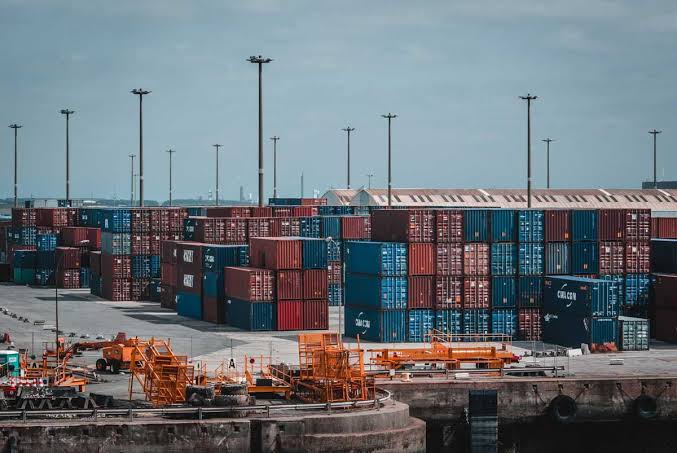
The Four Legs of 1688 Shipping to the USA
Every 1688-to-USA shipment moves through four stages. Understanding each leg helps you ask better questions before you spend money.
1. Order Placement on 1688
You find a supplier, negotiate specs and quantity, and place the order. At checkout, the delivery address is not your home in the US. It is the China warehouse address provided by your freight forwarder or sourcing agent. Most suppliers ship domestically for free or for a small fee, usually within 2–5 days.
If you have never ordered from 1688 before, start with our guide on how to buy from 1688 for your first order. It covers account setup, supplier checks, and the basic order flow. You should also know how to compare 1688 suppliers beyond price before you commit.
2. China Warehouse Receiving and Preparation
After the supplier ships, the package travels by domestic courier to your chosen warehouse. The warehouse logs it, checks the carton count, and may photograph the goods or open boxes for inspection. This is your last chance to catch wrong items, defects, or missing units before the goods leave China.
If you ordered from several suppliers, the warehouse can consolidate everything into one shipment. Consolidation reduces the number of international parcels and often lowers the total chargeable weight. For small or lightweight items, this step alone can cut shipping costs by 20–40%.
3. International Freight
Once the warehouse confirms the final packed weight and dimensions, you choose a shipping method. The main options are express courier, air freight, and sea freight. Each one is explained in the comparison table below.
Your forwarder books the cargo, prepares the export documents, and handles Chinese customs clearance. You do not need to be in China for this stage.
4. US Customs Clearance and Last-Mile Delivery
When the shipment reaches the United States, it must clear customs. Under DDP (Delivered Duty Paid), the forwarder pays duties and clears the shipment for you. Under DDU (Delivered Duty Unpaid) or DAP (Delivered at Place), you or your customs broker must clear the goods and pay duties before delivery.
After clearance, a domestic carrier such as UPS, FedEx, or a local trucking company delivers the shipment to your door. The speed of this last leg depends on your location and the service level you chose.
Shipping Methods Compared
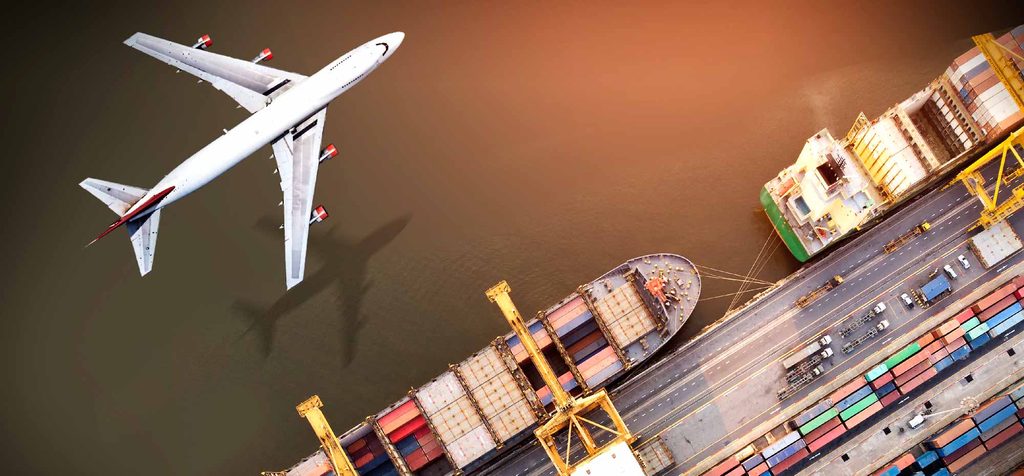
The best method depends on chargeable weight, deadline, product restrictions, and how much you are willing to spend. Chargeable weight is the higher of actual weight or volumetric weight (length × width × height in cm ÷ 6000). Lightweight but bulky products, such as pillows or packaging materials, often cost more to ship than their actual weight suggests.
| Method | Typical Speed | Cost Level | Best For | Customs Term to Request |
|---|---|---|---|---|
| Express courier (DHL / FedEx / UPS) | 3–7 days | High | Samples, urgent orders under 10 kg | DDP preferred |
| Air freight (DDP door-to-door) | 7–12 days | Medium | 50–300 kg restocking, mid-volume | DDP |
| Sea freight LCL (less than container load) | 25–40 days | Low | Bulky or heavy goods above ~0.3 CBM | DDP |
| Sea freight FCL (full container load) | 25–40 days | Lowest per unit | Large orders that fill a 20′ or 40′ container | DDP or clearly defined |
These ranges are market estimates for China-to-USA lanes as of late 2026. Express can run roughly $10–$18/kg, air freight $4–$8/kg, and sea LCL around $100–$150/CBM. Always request a written quote before booking, because fuel surcharges, peak-season demand, and capacity can change the rate within days.
For a deeper cost breakdown, use our landed cost calculator and guide to separate freight from duties, fees, and product cost.
Sourcing Agent vs Freight Forwarder: Which Path Fits You?
You have two main ways to bridge the gap between 1688 and the USA. They are not mutually exclusive, and many buyers start with one and switch to the other.
Sourcing Agent
A sourcing agent buys on your behalf, communicates with the supplier in Chinese, arranges payment in RMB, inspects the goods, and ships to you. You send product links and specs; the agent handles the rest.
- Best for: First-time buyers, people who do not read Chinese, and anyone who wants a single point of contact.
- Typical fee: 5–10% of the product value, plus shipping.
- Trade-off: Higher service cost, but lower coordination risk.
Freight Forwarder
A freight forwarder does not buy the goods for you. You place the 1688 order yourself, ship to the forwarder’s warehouse, and they handle receiving, consolidation, international freight, customs, and delivery.
- Best for: Repeat buyers who are comfortable ordering on 1688 and want to save the agent fee.
- Typical fee: Shipping and handling only; no product-value percentage.
- Trade-off: You manage supplier communication, payment, and quality issues yourself.
If your order is small and you need hand-holding, an agent is usually worth the fee. If you are placing regular restocks and already know your suppliers, a forwarder gives you more margin control.
US Customs, Duties, and the Fine Print
This is the section most generic guides skip. It is also where unexpected costs appear.
CBP De Minimis and Duty Thresholds
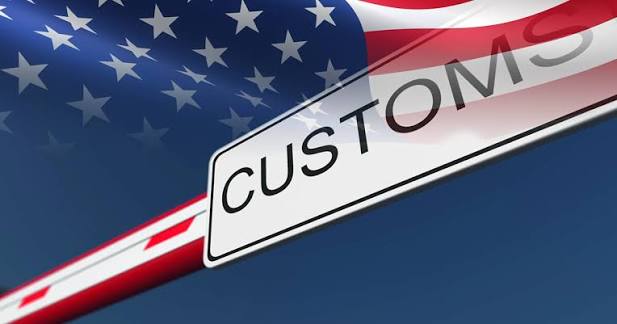
The United States Customs and Border Protection (CBP) sets the rules for what enters the country and what duties apply. The de minimis threshold (the value below which imports can enter duty-free) was sharply reduced in 2025, so the old “under $800 is duty free” assumption no longer applies to most 1688 parcels. As a result, almost every commercial shipment from 1688 to the USA now faces some duty or tariff review. Plan your budget assuming duties apply rather than hoping to fall under an exemption.
Section 301 Tariffs
Many goods of Chinese origin face additional Section 301 tariffs, often ranging from 7.5% to 25% depending on the product category. These are separate from regular customs duties and can erase your margin if you do not plan for them.
HS Codes Matter
Every product has a Harmonized System (HS) code that determines its duty rate. Ask your supplier for the HS code before shipping, or look it up using the CBP HTS search tool. Apparel, footwear, and electronics accessories often face higher duty rates than industrial components.
DDP vs DDU
- DDP (Delivered Duty Paid): The forwarder handles customs clearance and pays duties upfront. You pay one quoted price. This is the simplest choice for most US buyers.
- DDU/DAP: You pay duties when the shipment arrives. It may look cheaper on paper, but delays and surprise bills are common.
Unless you have a customs broker you trust, DDP is usually the safer option for 1688 shipping to the USA.
For more on payment and cost planning, see our 1688 payment and cost guide.
How to Ship from 1688 to the USA: A Step-by-Step Checklist
Follow these steps to move your order from supplier listing to US doorstep.
- Choose your path. Decide whether to use a sourcing agent or a freight forwarder based on your experience and order size.
- Get a China warehouse address. Register with your agent or forwarder and copy the full address, recipient code, and phone number.
- Place the order on 1688. Set the delivery address to the China warehouse. Add your warehouse reference code to the order notes.
- Track domestic delivery. Keep the supplier name, 1688 order number, and domestic tracking number in one place.
- Request inspection and consolidation. Ask the warehouse to photograph or inspect the goods and combine multiple boxes into one shipment.
- Confirm final packed data. Get the carton count, dimensions, gross weight, and product description before booking freight.
- Compare freight quotes. Request quotes for the same scope: pickup point, destination, service level, customs terms, surcharges, and exclusions.
- Book and ship. Approve the commercial invoice, packing list, and customs declaration prepared by your forwarder.
- Clear US customs. If you chose DDP, the forwarder handles this. If not, respond quickly to document requests from customs.
- Receive and inspect. Check cartons before signing a clean delivery receipt. Report damage immediately.
Common Mistakes and How to Avoid Them
- Skipping inspection. Defects caught in China can be returned or exchanged. Defects caught in the USA are usually your loss.
- Ignoring volumetric weight. A large box of lightweight goods can cost more than a small box of heavy goods.
- Not confirming the supplier’s export capability. Some small 1688 factories do not hold an export license. A good forwarder can route around this.
- Choosing DDU to save money. The savings often disappear once customs fees, broker fees, and delays are added.
- Misdeclaring value. Under-declaring product value to reduce duties can result in seizure, fines, or blacklisting.
- Shipping restricted products. Batteries, liquids, powders, magnets, and counterfeit goods face restrictions or outright bans.
Conclusion
1688 shipping to USA works as a chain, not a single click. You place the order on 1688, route it to a China warehouse, choose international freight, and clear US customs before last-mile delivery. The right shipping method depends on your weight, timeline, and tolerance for complexity. For most buyers, DDP air or sea freight through a reliable forwarder or agent offers the best balance of cost and control.
If you want a broader view of international shipping from 1688, read our general international shipping guide. If you need help with your specific product and destination, request sourcing help from our team.
Frequently Asked Questions
Does 1688 ship directly to the USA?
No. 1688 is a domestic Chinese wholesale platform. Most suppliers only deliver to addresses in China. To receive goods in the United States, you need a China warehouse address and a freight forwarder or sourcing agent to arrange international delivery.
How long does 1688 shipping to the USA take?
Express courier takes 3–7 days, air freight 7–12 days, and sea freight 25–40 days. Add 2–5 days for warehouse processing and a few days for customs clearance.
How much does shipping from 1688 to the USA cost?
Market estimates as of late 2026 are roughly $10–$18/kg for express, $4–$8/kg for air freight, and $100–$150/CBM for sea LCL. Rates vary by weight, dimensions, season, and fuel surcharges.
What is DDP shipping from 1688 to the USA?
DDP stands for Delivered Duty Paid. The forwarder includes duties, taxes, and customs clearance in the quoted price and delivers the goods to your door. It is the simplest customs arrangement for most US buyers.
Do I need a sourcing agent to buy from 1688?
Not always. Experienced buyers can order directly and use a freight forwarder. First-time buyers often prefer a sourcing agent for help with language, payment, inspection, and supplier communication.
Will I pay US customs duties on 1688 orders?
You may pay duties if the shipment exceeds the current CBP de minimis threshold or contains categories subject to regular duties or Section 301 tariffs. Check CBP.gov and USITC.gov for current rules.
What products cannot be shipped from 1688 to the USA?
Batteries, liquids, powders, magnets, weapons, counterfeit goods, and products lacking required US certifications often face restrictions or seizure. Confirm product compliance before ordering.
Can I ship from 1688 to Amazon FBA in the USA?
Yes. Many sellers ship from 1688 to a US warehouse or directly to Amazon FBA. You will need correct FNSKU labels, carton labels, and packaging that meets Amazon’s requirements.